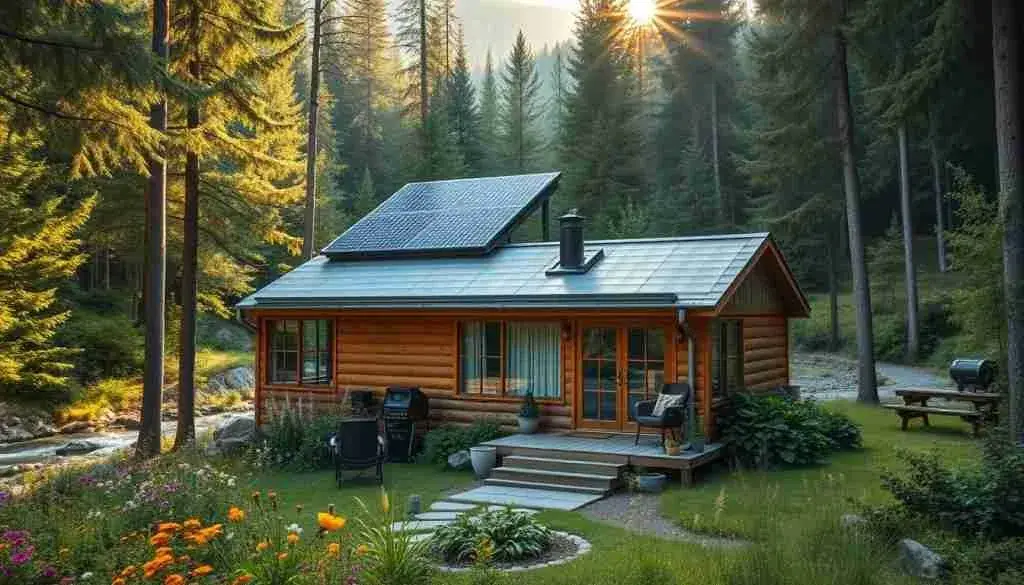
Green Accommodation Plans: A Comprehensive Guide to Sustainable Lodging
The maturation of the global tourism sector has catalyzed a fundamental shift in how we conceptualize temporary human habitation. No longer viewed as mere structural shelters for travelers, modern lodging facilities are increasingly analyzed as complex metabolic systems that must reconcile the high-intensity demands of luxury service with the thermodynamic limits of their surrounding environments. This transition is not merely an aesthetic choice or a response to shifting consumer sentiment; it is a structural evolution driven by resource scarcity, regulatory pressure, and the undeniable need for operational resilience in an era of climate volatility.
Developing an effective strategy for sustainable lodging requires a departure from traditional “efficiency-only” paradigms. In the past, a facility might have been considered sustainable simply by reducing its utility consumption. However, contemporary standards demand a more holistic integration. We must now look at the entire lifecycle of an asset from the embodied energy of its foundational materials to the socio-economic impact of its supply chain and the ultimate decommissioning of its physical structures. This involves a rigorous interplay between architectural ingenuity, mechanical engineering, and ecological stewardship.
The complexity inherent in these projects often creates a significant gap between intent and execution. High-performance sustainable projects are not singular events but ongoing processes that require precision in the planning phase and adaptability during operation. Whether one is evaluating a remote wilderness lodge or a high-density urban boutique hotel, the underlying principles remain the same: the structure must act as a functional participant in its ecosystem. This article provides a comprehensive editorial examination of the technical, financial, and philosophical frameworks necessary to achieve topical mastery in the field of sustainable accommodation development.
Understanding “green accommodation plans.”
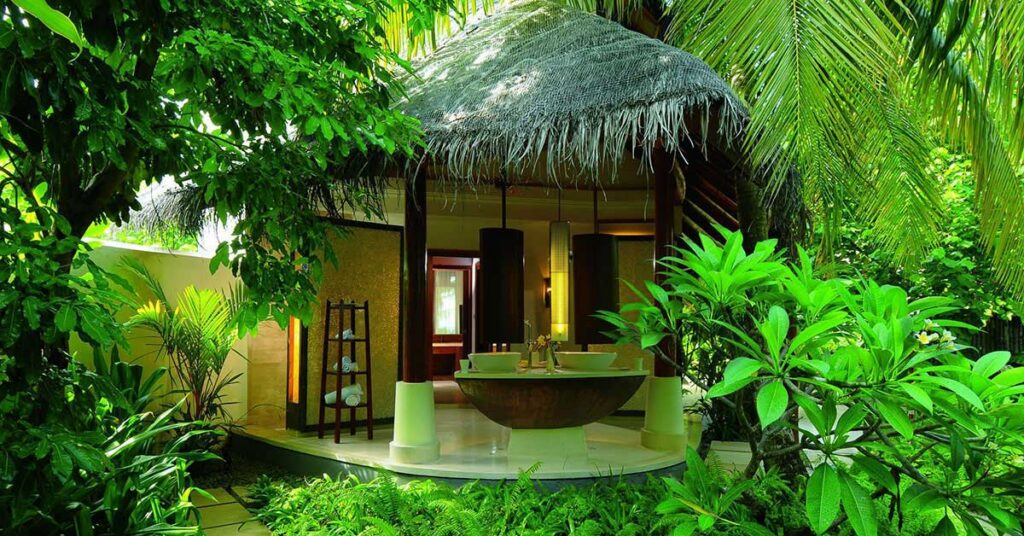
In the professional spheres of architecture and hospitality management, the phrase green accommodation plans encompasses the multi-layered documentation and strategic mapping required to build and operate a carbon-neutral or regenerative lodging facility. To the casual observer, a “plan” might imply a simple architectural drawing. In reality, these are comprehensive metabolic blueprints. They define how a building breathes through passive ventilation, how it hydrates through closed-loop water systems, and how it sustains its energy needs without depleting local resources.
A persistent risk in this field is the oversimplification of sustainability into a checklist of disparate features. Installing LED lighting or low-flow showerheads is a tactical adjustment, not a systemic plan. A robust plan addresses the “passive” foundational elements, such as site orientation, thermal mass, and envelope integrity, before layering on “active” technological solutions like solar arrays or advanced HVAC systems. When these plans are poorly conceived, they often result in “greenwashing by design,” where the building looks ecological but remains operationally fragile and resource-heavy.
Furthermore, we must recognize that these plans are context-dependent. A strategy that achieves net-zero status in a temperate European city would be utterly non-functional in the high-humidity tropics or the arid desert. Therefore, the comparison and evaluation of these plans requires a deep understanding of local biomes, available supply chains, and the cultural context of the labor force. Understanding these plans is an exercise in systems thinking, where every architectural decision has a second-order effect on energy demand, waste output, and guest experience.
Contextual Evolution: From Shelter to System
The history of sustainable lodging has progressed through three distinct waves. The first wave, which emerged in the late 20th century, was primarily concerned with conservation. These were the early eco-lodges,s often rustic, remote, and characterized by a “leave no trace” philosophy. While they were low-impact, they often lacked the operational sophistication required to scale or to provide the levels of comfort expected by the broader market.
The second wave coincided with the rise of formal certification systems, such as LEED, BREEAM, and Green Globe. This era shifted the focus toward efficiency. The objective was to minimize the “baby d,” reducing waste, lowering carbon emissions, and saving water. This was a technological leap, introducing smart building management systems and high-efficiency appliances into the hospitality mainstream. However, even these high-efficiency buildings were still essentially parasitic, taking resources from the environment and returning waste, albeit at a slower rate.
Today, we are entering the third wave: regenerative design. The modern goal is to create accommodations that act as net contributors to their environments. This might mean a hotel that generates more power than it consumes, returning the surplus to the local community, or a resort that actively restores a degraded coral reef or forest through its presence. This systemic evolution reflects a shift in human consciousness moving from a goal of “doing less harm” to “actively doing good.”
Conceptual Frameworks and Mental Models
To navigate the intricacies of development, several mental models are employed to ensure the integrity of the project.
1. The Energy-Water-Waste Nexus
This framework recognizes that these three resources are fundamentally linked. A plan that ignores one will inevitably see failure in the others. For example, high water usage for guest amenities increases the energy required for pumping and heating, while also increasing the load on waste-treatment systems. A balanced plan seeks to optimize this nexus by creating synergies, such as using waste heat from air conditioning to provide hot water.
2. The Embodied Carbon Debt
This model forces a focus on the materials themselves. Every ton of concrete or steel used in a building comes with a “carbon debt” from its manufacture and transport. Truly sustainable plans prioritize low-embodied-carbon materials like cross-laminated timber (CLT), rammed earth, or bamboo, ensuring the building is not “bankrupt” before it even opens its doors.
3. The Biophilic Integration Model
This framework posits that human well-being is tied to direct contact with nature. It moves beyond aesthetic greenery to functional integration using natural light to regulate circadian rhythms and natural ventilation to improve indoor air quality. It assumes that a building that makes people feel better will be better cared for and more successful in the long term.
Key Categories and Operational Variations
Sustainable accommodations are not a monolith. They vary based on their environmental context, guest density, and technological reliance.
Comparative Analysis of Development Strategies
| Category | Primary Philosophy | Key Trade-off | Resource Focus |
| Off-Grid Eco-Resorts | Total independence from utility grids. | High logistical complexity and cost. | Solar/Wind + Storage. |
| Urban High-Efficiency | Maximum density and operational efficiency. | Limited ability to impact local biodiversity. | Smart HVAC + Water recycling. |
| Agrotourism Hubs | Integration with food production systems. | High labor requirements. | Organic waste + Permaculture. |
| Modular / Prefab | Minimizing site disturbance during builds. | Rigid design and high transport carbon. | Circular materials + Low waste. |
| Heritage Restorations | Adaptive reuse of existing structures. | Structural limitations for new tech. | Thermal mass + Passive cooling. |
Decision Logic for Strategy Selection
The choice of category should be dictated by the “Path of Least Resistance” for the site. If the site is a sun-drenched desert, solar-intensive off-grid plans are logical. If it is a dense city center with a clean municipal grid, focusing on ultra-efficient building envelopes and guest behavior modification is a superior strategy.
Detailed Real-World Scenarios
The Remote Island Micro-Grid
Developing a high-end stay on an island with no freshwater or electricity.
-
The Constraint: Salt-air corrosion of solar panels and lack of groundwater.
-
The Decision: Implement a centralized solar-hydrogen storage system and atmospheric water generators.
-
The Second-Order Effect: The high cost of this tech requires a luxury price point, which may alienate the local community unless the project includes a local “benefit share” of the clean water and power produced.
The Retrofitted 19th-Century Warehouse
Converting an old brick structure into a sustainable urban hotel.
-
The Constraint: Historic preservation laws prevent the installation of modern exterior insulation.
-
The Failure Mode: Relying on electric heating in a leaky brick building will lead to astronomical energy bills and a massive carbon footprint.
-
The Solution: Using vacuum-insulated glass in original window frames and internal hempcrete insulation that allows the brick to “breathe” while providing modern R-values.
Planning, Cost, and Resource Dynamics
The financial structure of a sustainable project is “front-loaded.” Conventional hotels have lower initial costs but higher long-term operating expenses (OPEX). Sustainable stays reverse this.
Range-Based Development Costs (Per Unit)
| Resource Category | Standard Build ($) | Advanced Green Plan ($) | Variance Rationale |
| Structure & Envelope | 100,000 – 150,000 | 130,000 – 200,000 | High-performance insulation and CLT. |
| Energy Infrastructure | 5,000 – 10,000 | 40,000 – 90,000 | Renewables + Battery storage banks. |
| Water & Waste Systems | 8,000 – 15,000 | 25,000 – 50,000 | On-site blackwater/greywater plants. |
| Interior & Soft Goods | 30,000 – 60,000 | 45,000 – 75,000 | Non-toxic, certified sustainable fabrics. |
The Opportunity Cost of Conventionality: As carbon taxes increase and guest expectations shift, the cost of “not” being sustainable is rising. A building that is not designed with a 20-year green roadmap will likely become a stranded asset within the next decade.
Tools, Strategies, and Support Systems
A successful plan is supported by a suite of analytical and operational tools.
-
Life Cycle Assessment (LCA) Software: Used during the design phase to calculate the total environmental impact of every screw, beam, and tile.
-
Smart Metering & IoT: Sensors that detect water leaks in real-time or adjust lighting based on natural light levels.
-
Greywater Bioreactors: Using plants and specialized microbes to clean water for irrigation or toilet flushing on-site.
-
Heat Recovery Ventilation (HRV): Capturing the heat from outgoing stale air to warm incoming fresh air, reducing heating loads by up to 80%.
-
Supply Chain Transparency Platforms: Tools to verify that “organic” or “fair-trade” supplies are actually meeting their claims.
-
Staff Behavioral Training: The most important tool. A high-tech building operated by staff who do not understand the systems will never meet its performance targets.
Risk Landscape and Failure Modes
Sustainable development is a high-stakes endeavor with specific, compounding risks.
-
The Maintenance Gap: High-tech green systems often require specialized parts and labor. In remote areas, a single broken pump can revert a multi-million dollar solar-water system to diesel dependence.
-
Biological Vulnerability: On-site waste treatment systems (like constructed wetlands) can be “killed” by a single guest or staff member using the wrong chemicals in a drain.
-
The “Luxury Creep” Risk: As a property matures, there is pressure to add more power-hungry amenities (heated pools, larger AC units). If the energy plan was not designed with a buffer, this can collapse the renewable energy system.
-
Greenwash Backlash: Over-promising on sustainability and failing to deliver on the data can lead to significant reputational damage in an era of high transparency.
Governance, Maintenance, and Long-Term Adaptation
A lodging facility is a living entity that changes over time. Green accommodation plans must therefore include a governance framework for the long haul.
The Layered Review Cycle
-
Weekly: Monitor utility consumption spikes; check for biological health in waste systems.
-
Quarterly: Technical audit of solar arrays (cleaning/efficiency) and battery health.
-
Yearly: Comprehensive LCA review; carbon offset adjustment; staff retraining on environmental protocols.
-
Five-Year: Major system evaluation; is it time to upgrade the storage tech? How has the local climate shifted?
Measurement, Tracking, and Evaluation
Data is the only defense against greenwashing. Properties must track both “leading” and “lagging” indicators.
-
Leading Indicators: Metrics that predict future success, such as the volume of organic waste diverted to composting or the percentage of staff trained in sustainability.
-
Lagging Indicators: Results from the past, such as the total annual reduction in Scope 1 and 2 emissions or the total liters of water saved per guest-night.
-
Qualitative Signals: Guest satisfaction with the “green” experience and the level of community engagement in the property’s sustainability initiatives.
Documentation Examples:
-
The Resource Ledger: A daily dashboard showing energy produced vs. consumed.
-
The Local Impact Map: A record of every dollar spent with local vendors within a 100-mile radius.
-
The Biodiversity Log: A record of native species returning to the property’s restored land.
Common Misconceptions and Oversimplifications
-
Myth: Sustainable means rustic. Correction: Some of the world’s most luxurious hotels are leaders in high-tech sustainability.
-
Myth: Off-grid is always better. Correction: In cities, connecting to a clean municipal grid is often more efficient than building thousands of individual battery banks.
-
Myth: Carbon offsets equal sustainability. Correction: Offsets are a last resort. True sustainability is about reducing emissions at the source, not just paying to “neutralize” them later.
-
Myth: It’s all about the guest. Correction: Guest behavior is only 20% of the problem. 80% of a property’s footprint is determined by the architectural and engineering plans made before the first guest ever arrives.
Ethical and Practical Considerations
There is an ethical dimension to “luxury sustainability.” Is it truly green to fly guests 5,000 miles to stay in a solar-powered hut? This “Scope 3” travel emission is the elephant in the room. Responsible developers must address this by encouraging longer stays, providing carbon-neutral transport options, or investing in regional restoration projects that go far beyond their own property lines.
Conclusion
The development of successful sustainable lodging is not a destination but a discipline. It requires a move away from the “disposable architecture” of the past century toward a “durable architecture” that respects the metabolic limits of our planet. As we look toward the future, the most successful properties will be those that treat their green accommodation plans as dynamic, evolving documents that grow with the land and the community.
In an increasingly volatile world, resilience is the new luxury. A building that can harvest its own water, generate its own power, and process its own waste is not just an environmental asset; it is a secure, long-term business asset. By integrating architectural patience, technical precision, and ethical honesty, the hospitality industry can transition from being a consumer of landscapes to a curator of them.